On Monday, council received our first comprehensive fleet review. Every one of our 89 vehicles — from ice resurfacers to work trucks — was assessed for age, condition, maintenance demands, and operational fit. We were given a clear picture of what’s working, what isn’t, and what it will take to keep the literal and metaphorical wheels turning.
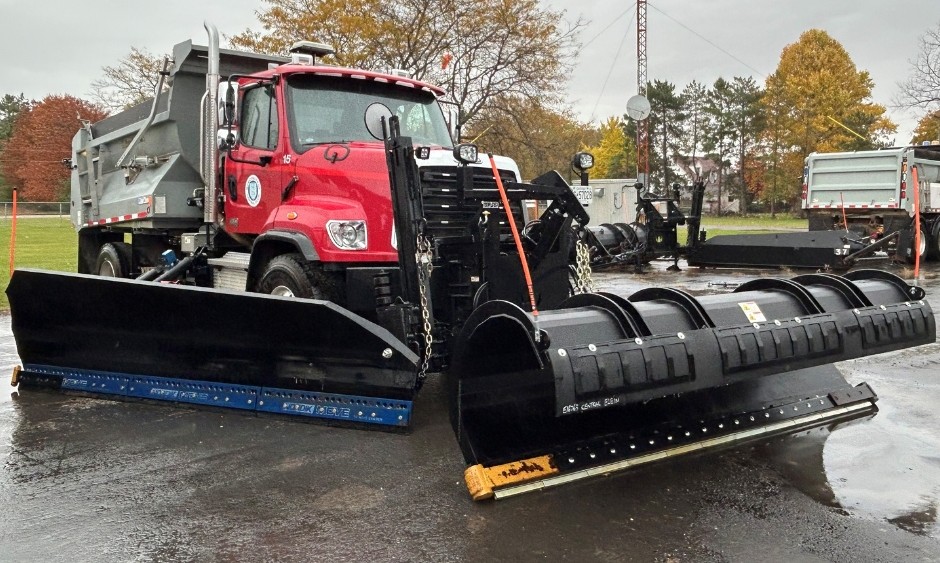
The consultant recommended several adjustments: right-sizing some vehicles over time, adding five units where staff are currently waiting to complete tasks, and — most notably — revisiting our replacement cycle.
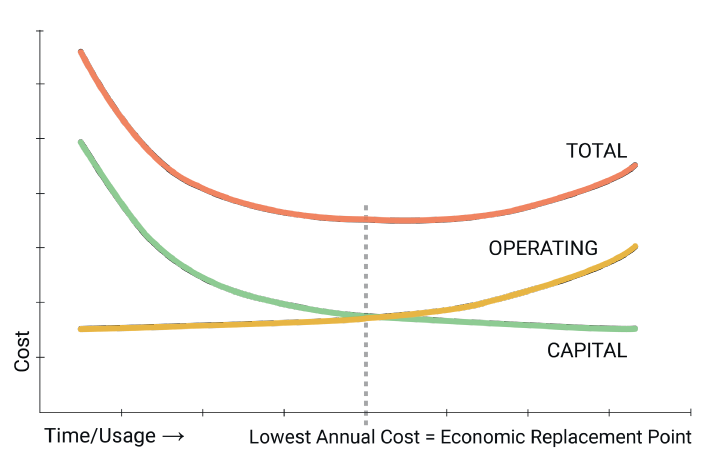
A graph illustrated the financial “sweet spot” for replacement: the point where rising repair costs intersect with declining resale value. That intersection sits around seven years. Our current average vehicle age is 9.9 years.
But the longest conversation in the room wasn’t about engines or resale curves. It was about perception.
A colleague raised a fair concern: most residents drive vehicles well beyond seven years. How do we justify replacing municipal vehicles earlier than many households replace their own? Would that look like a double standard?
It’s wise to be wary of double standards. But I think that comparison overlooks two key realities: scale, and trust.
Scale Changes the Math
When a household replaces a vehicle, one income absorbs the cost of one asset. It’s significant. Even if a family knows replacing earlier would be financially optimal over the long term, cash flow realities can push that decision out by months or years.
Municipal assets operate differently.
We are 13,000 residents supporting 89 vehicles — roughly 154 people connected to each one. The cost of replacement, and the risk of breakdown, are distributed across a much broader base. A vehicle sitting in a driveway affects one family. A vehicle sitting in a municipal garage waiting for parts can delay services for hundreds.
The economics of scale matter.
Trust Changes the Tone
But the deeper issue isn’t math. It’s trust.
If we assume the community can’t understand why data might support a seven-year replacement cycle, we are implicitly saying we don’t believe they are capable of weighing long-term costs against short-term optics. That’s not respect.
I don’t believe our residents are short-sighted. I don’t believe they are incapable of rational decision-making when presented with clear information. In fact, I believe transparency invites maturity.
Trust in governance is cyclical.
When council trusts the community, we share our reasoning openly. We make proactive decisions based on evidence, rather than reactive ones avoiding possible public criticism. We explain not just what we’re doing, but why. We trust our neighbours to support us and our reasoning.
When the community sees that level of transparency — when they see that decisions are rooted in data rather than convenience — trust builds in return. And that trust becomes especially important in moments when information cannot yet be shared, or when uncertainty is unavoidable.
Fleet replacement isn’t exciting. It isn’t flashy. But it is a quiet example of stewardship.
Sometimes responsible governance means replacing a truck at seven years — not because it feels good, but because waiting longer would cost our community more money for less reliable service.
And I believe our community is more than capable of understanding that.