The most compelling discussion at the Western University Local Government Program Alumni Conference might have been the panel on the decline of decorum and public discourse in the municipal sphere. It touched a nerve for me, especially in a year when many councils across Ontario — including our own — have been navigating questions of tone, conduct, and public expectation.
Sabine Matheson of StrategyCorp opened with an observation that stayed with me:
“There was a time when we called mayors your worship and meant it.”
Her point wasn’t nostalgia for hierarchy, but a reminder that the mayor once held both the title and also the responsibility of moral leadership. She compared today’s integrity commissioner–based system to a church supported by buttresses — necessary, but as a result of something precarious or imbalanced in the structure.
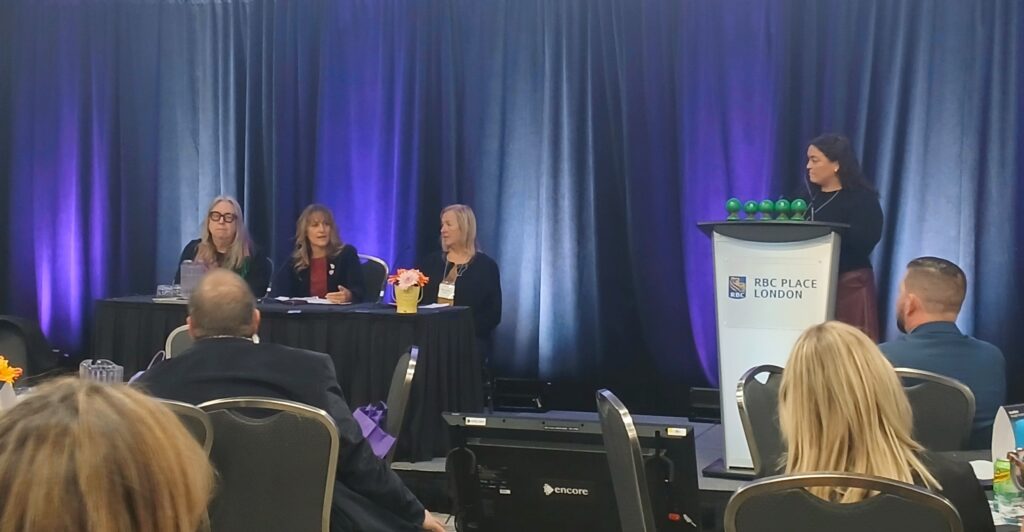
Others on the panel argued the opposite: that oversight hasn’t kept pace with the rise of incivility. Burlington Mayor Marianne Meed Ward spoke about the level of aggression she faces from the public and how limited municipal powers are when dealing with threatening behaviour. Incivility, she suggested, has always existed, but COVID-19 and the shift away from face-to-face discourse and into digital platforms accelerated it.
I went straight from the conference in the afternoon to the Warden’s Banquet in the evening, where we celebrated Warden Grant Jones’ successful year leading Elgin county. I found myself replaying the panel while conversing with retired wardens John R. Wilson and Bernie Wiehle. They described a very different era — one where councillors spoke over each other, shouted, or even cursed, and still shook hands and carried on with their work at the next meeting. Their stories contrasted sharply with today’s climate, where the same behaviours would be clipped into YouTube shorts within the hour.
What is the truth, then? Have we genuinely become more aggressive since COVID? Or has livestreaming exposed behaviour that had simply gone unseen for decades?
We don’t have the data to answer that definitively, but one thing is increasingly clear: if we stopped accepting something once we started seeing it, then we need to keep seeing it.
Transparency doesn’t prevent every problem, but it prevents the concealment of problems.
If you believe that the integrity commissioner model is our best accountability tool, recordings ensure they see the truth, the whole truth, and nothing but the truth. If you believe the mayor should be the moral compass of the chamber, then the public’s ability to watch how he or she responds to incivility becomes both a carrot and a stick.
Either way, without transparency, accountability is impossible. We can’t judge right from wrong and decide how to address it without knowing what actually happened.
Technology is already in our chambers and it’s not going anywhere. If we want better decorum, then we need better policies: reliable access to video, audio, and written records; clear expectations for behaviour; and consistent processes for addressing breaches of conduct. These tools don’t just help investigators or elected officials. They serve the people we represent.
Knowing there’s a problem isn’t the whole solution – but it’s where all solutions have to start.